A reflection of its rich culture
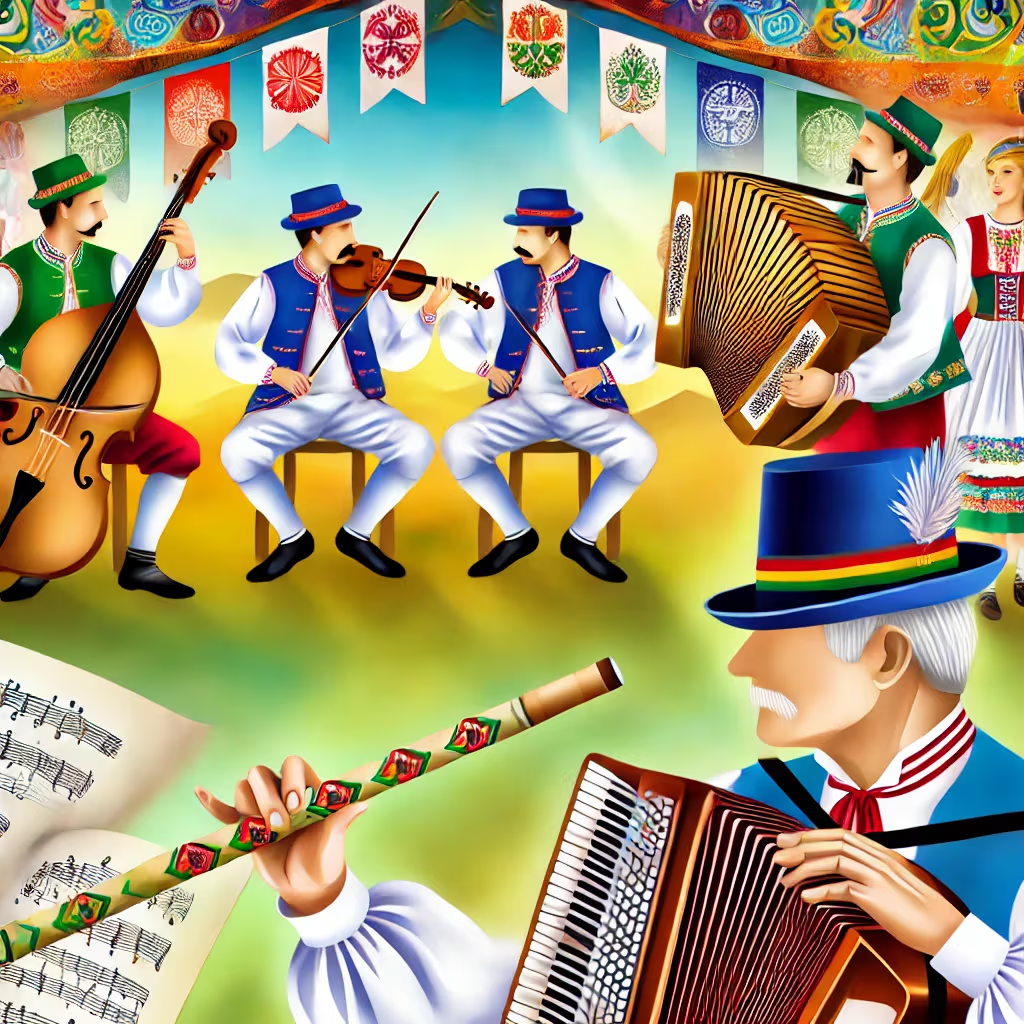
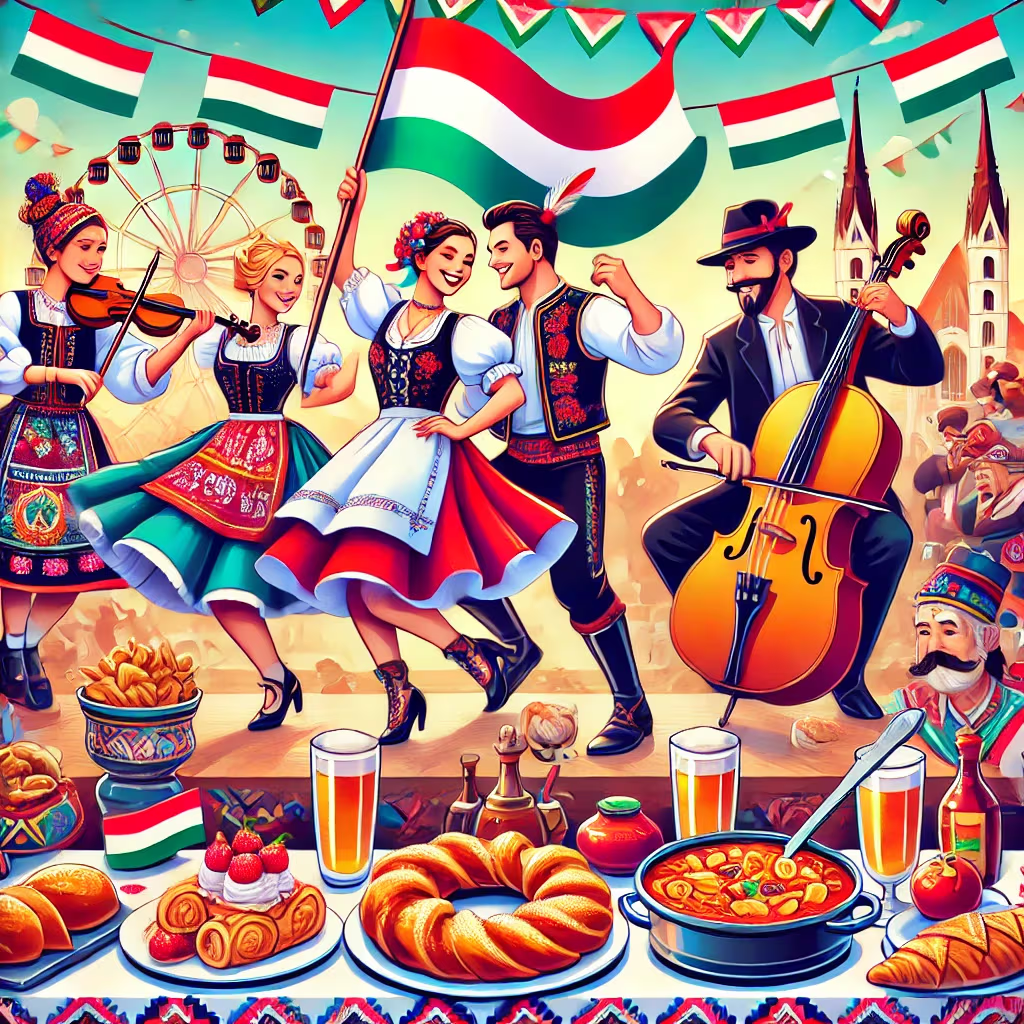
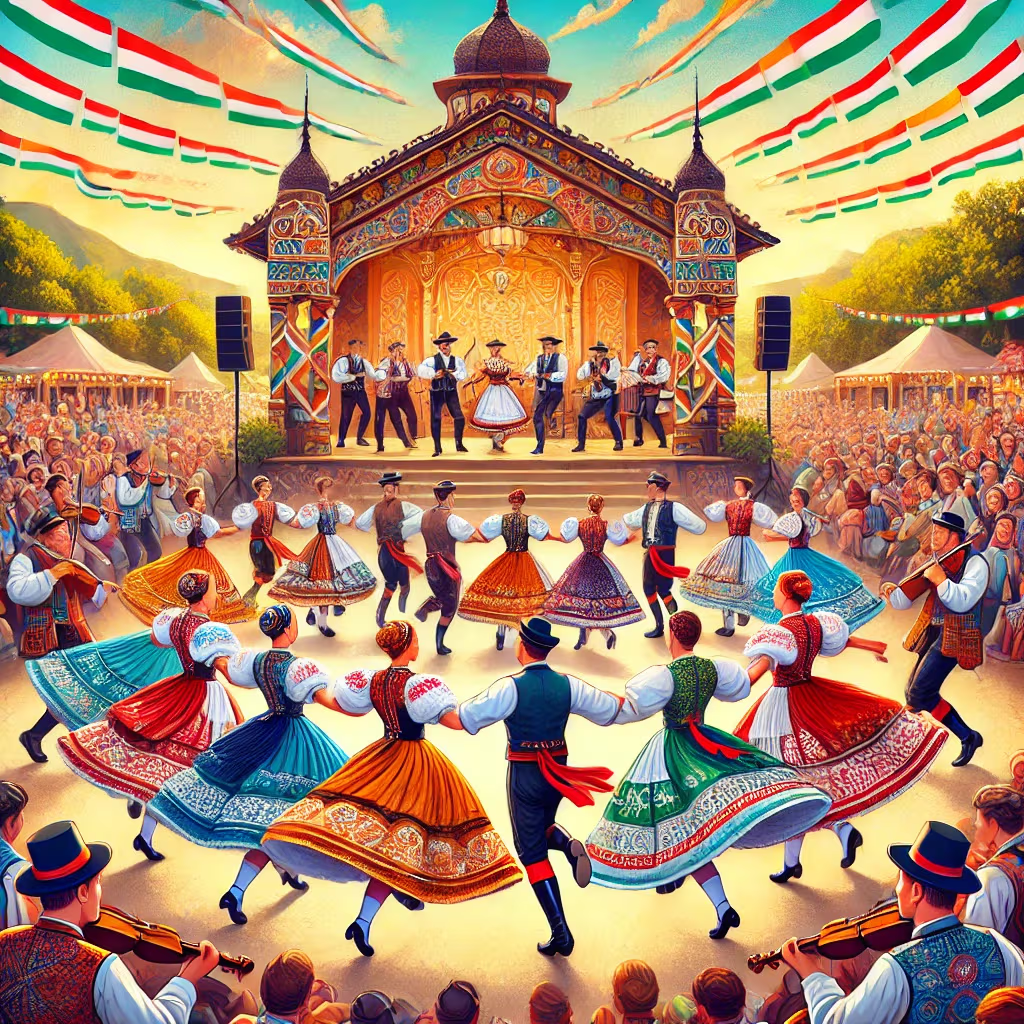
The traditional Hungarian dance is an essential component of the country's cultural identity, a vibrant blend of energetic movements, folk music and colourful costumes passed down through generations. These dances are not only artistic performances but also a form of communal expression that has brought people together over the centuries. If you are in Budapest, it is a must to witness one of these unique shows, commonly held at festivals and cultural events throughout the year.
Types of traditional Hungarian dances
Hungary features a diversity of dance styles, each with its own meaning and origin. One of the best known is the Csárdás, a popular dance characterised by a fast, dynamic tempo that combines slow and quick movements. The name Csárdás comes from the old rural taverns where it was often danced. This dance exemplifies the passion and spirit of freedom associated with Hungarians.
Another notable dance is the Verbunkos, which originally served as a military recruiting dance. Over time it has become a staple of celebrations and festivals, including the national holidays in Hungary. Its evolution demonstrates Hungarian culture's ability to adapt while retaining its roots.
Traditional dance festivals
If you visit Hungary, you should not miss the cultural festivals that celebrate traditional music and dance. In Budapest, one of the most important is the Folk Dance Festival held at Heroes' Square (Hősök tere). During this event, dancers perform in traditional costumes, reviving old customs and connecting audiences with the deeper roots of Hungarian history.
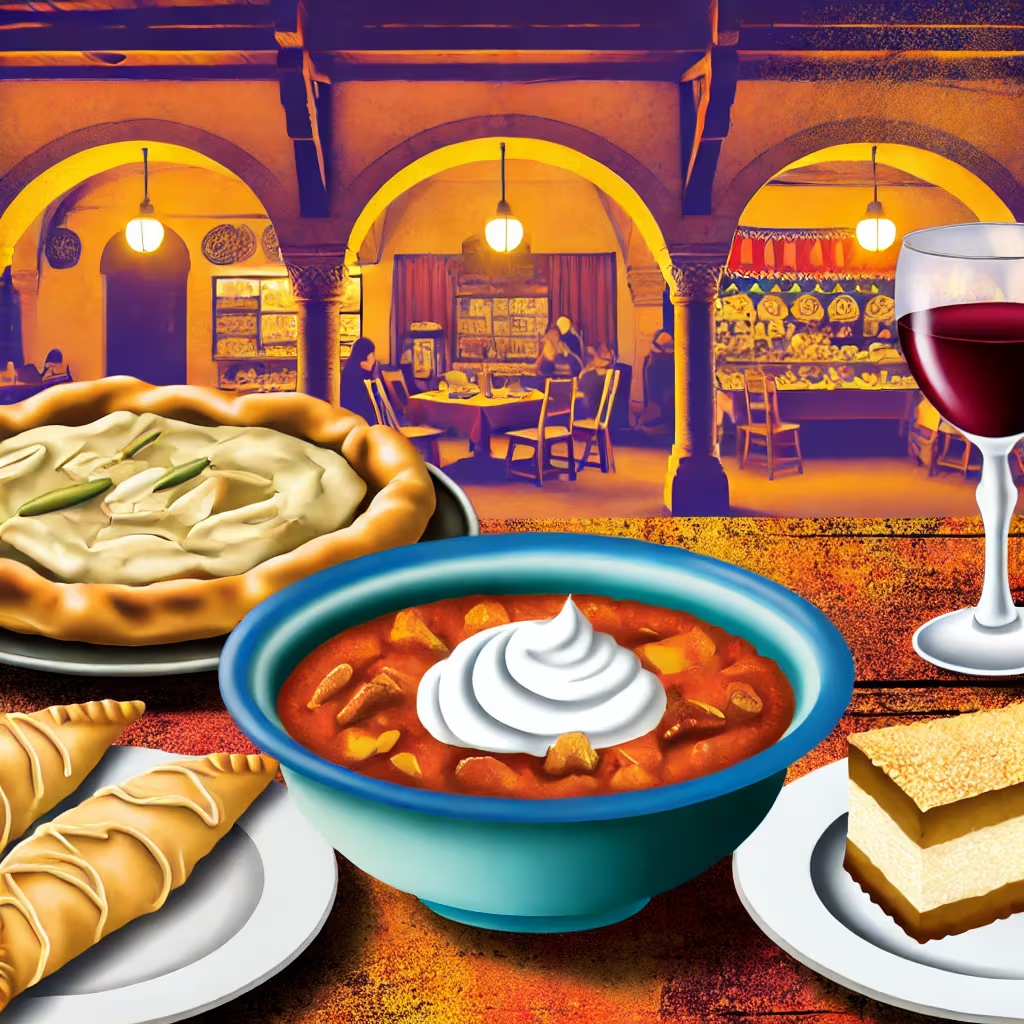
Another prominent event is the Spring Festival, where dances are combined with other cultural elements such as folklore and traditional cuisine. Here you can see how traditions and customs are kept alive through dance.
Where to learn and see traditional dance in Budapest?
If you're interested in learning more about traditional dance, there are several centres and schools in Budapest offering workshops for tourists. Additionally, many restaurants and rooftop bars include live performances as part of their evening entertainment. Matthias Church and other historic monuments have also been venues for cultural events featuring traditional dances.
Traditional Hungarian dance is far more than a spectacle. It is a celebration of life, history and the culture of a people who have managed to keep their traditions alive through the centuries. If you have the opportunity to watch or take part in one, do not hesitate. It's a unique experience that will connect you deeply with the spirit of Hungary!