Discovering Hungary’s Traditions and Customs
Hungary, with its rich history and deep-rooted culture, offers a wide range of traditions and customs that have been preserved over the centuries. From religious celebrations to popular festivals, Hungarian traditions are woven into everyday life and form a core part of the nation’s identity. Below we describe some of the most representative customs you shouldn’t miss during your visit.
National Holiday of August 20
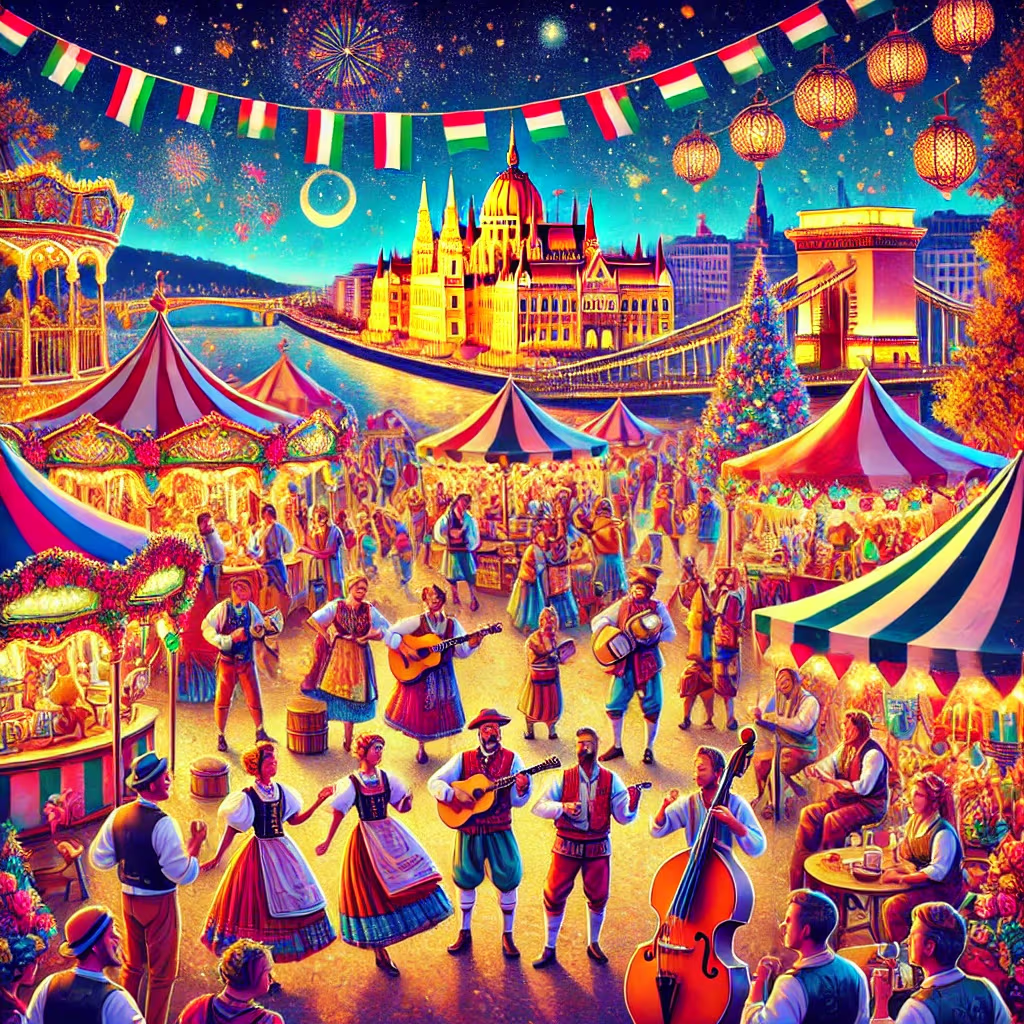
August 20 is one of Hungary’s most important holidays. It commemorates Saint Stephen, the first king of Hungary, and the founding of the Hungarian state. On this day, the streets of Budapest fill with parades, fireworks and religious processions in honor of the king. The St. Stephen’s Basilica in Budapest is one of the key venues for the celebration, where attendees can witness a procession featuring the mummified hand of King Stephen.
Matthias’ Dances
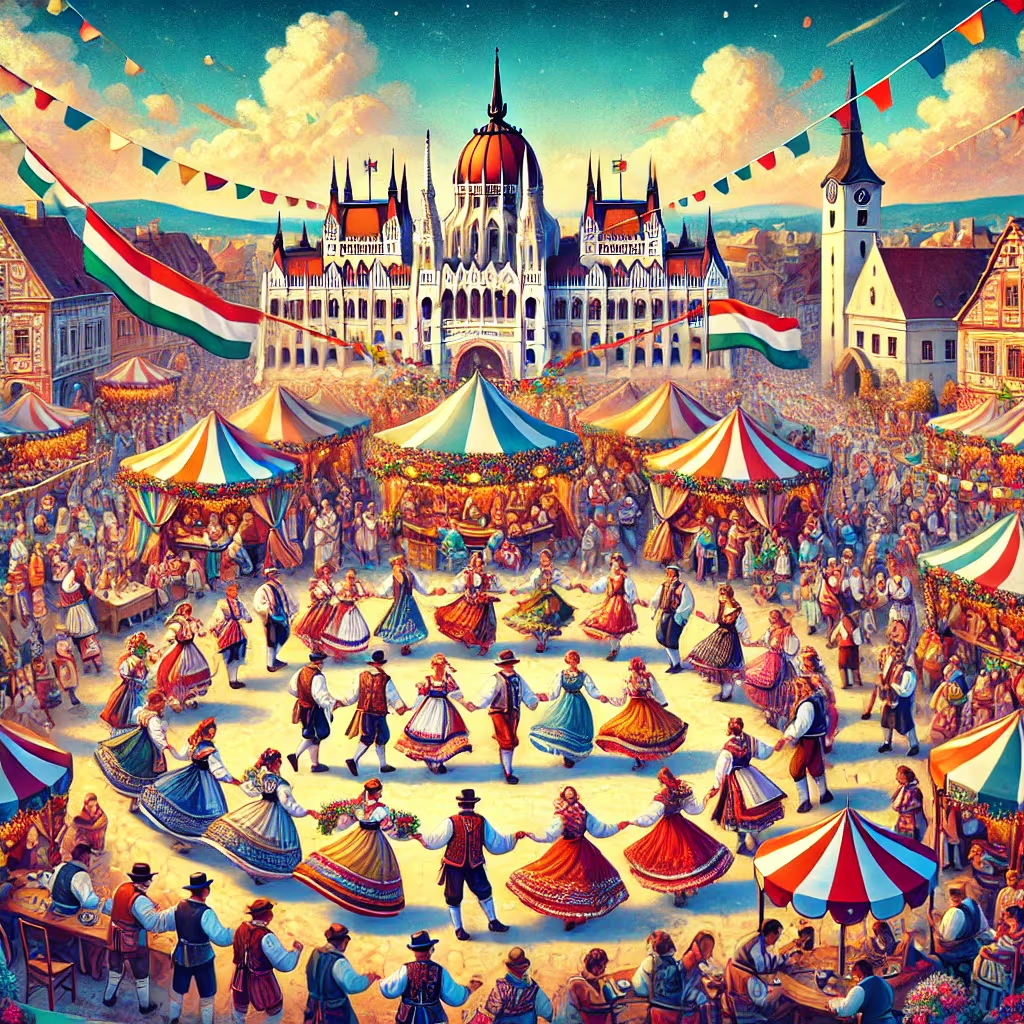
One of the most spectacular Hungarian customs are the Matthias’ Dances. These dances, which date back to the reign of Matthias Corvinus in the 15th century, combine traditional costumes with folk music. Today you can attend festivals across the country where these dances are performed. You can also learn more about Hungarian music and folklore in our dedicated article on this fascinating topic.
Easter in Hungary
Easter is another important celebration in Hungary, with traditions deeply rooted in rural life. One of the most interesting customs is “sprinkling” women with water, a tradition symbolizing purification and rebirth. In some villages, men sing and recite verses before spraying women with perfumed water. This custom is accompanied by Easter markets and festivities in main squares. Discover more about Easter in Budapest in our article.
Harvest Festival
Another traditional event is the Harvest Festival, a celebration that honors farmers and the abundance of food they provide. This festival takes place in various regions of Hungary during autumn and is notable for its markets, float parades and displays of local produce. Visitors have the chance to try typical Hungarian delicacies such as goulash, lángos and local wines.
All Saints’ Day
All Saints’ Day, celebrated on November 1, is a solemn date in Hungary. On this day families visit cemeteries to honor their deceased loved ones, decorating graves with candles and flowers. It is a time for reflection and respect, deeply rooted in Hungary’s Catholic culture. Hungarian culture is full of rituals like this that connect the present with the past.
Conclusion
Hungarian traditions and customs reflect a country with a rich history and a deep sense of identity. From religious festivities to popular festivals, Hungary offers a unique window into its culture. If you plan to visit, be sure to take part in some of these events to experience local customs firsthand. Check our events and festivals section for more information on what to expect during your stay.