A treasure of traditions and customs
Hungary is a country with a rich cultural heritage that has evolved over centuries, shaped by various civilizations and historical events. Hungarian culture is defined by its folklore, music, traditional dances, cuisine, and a deep passion for art and literature. Exploring Hungarian culture means diving into a captivating blend of pagan traditions, Austro-Hungarian legacy, and modern influences.
Music and folklore in Hungary
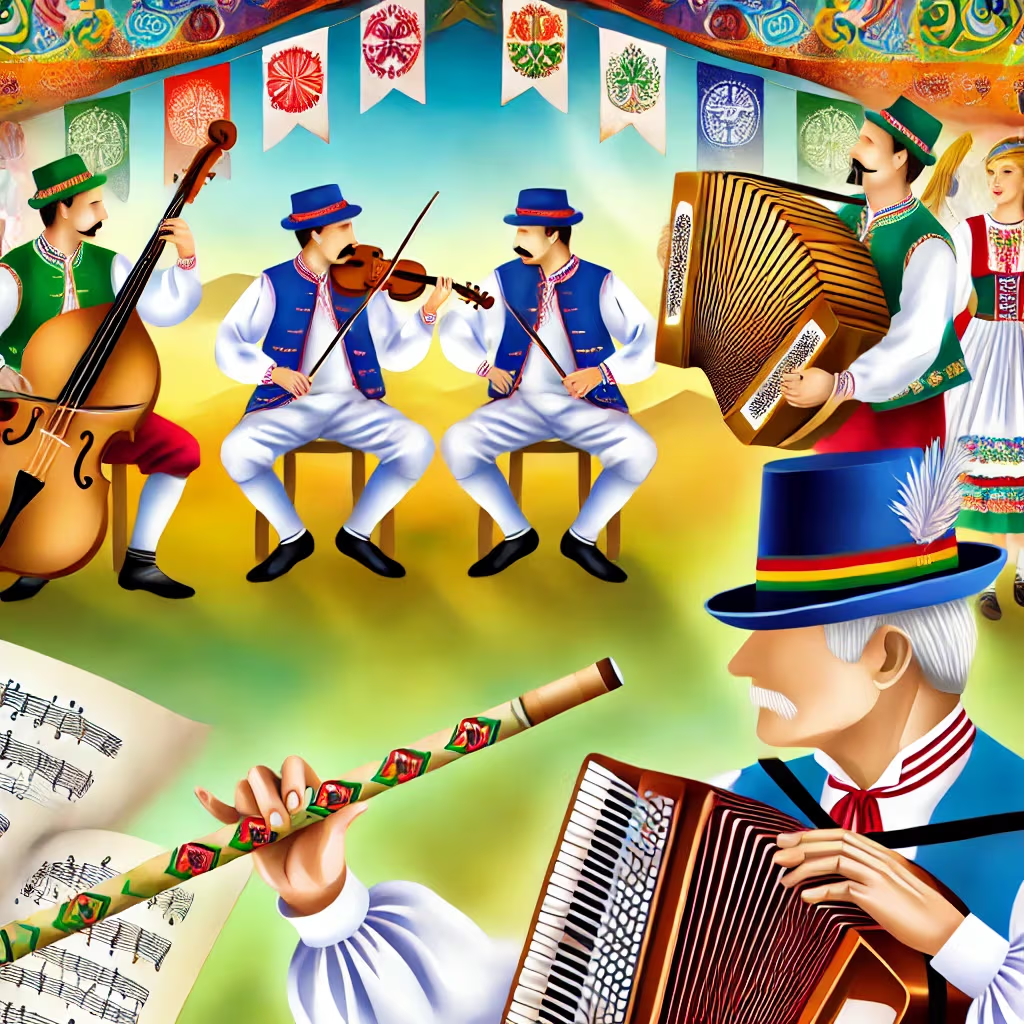
Music is a vital component of Hungarian cultural identity. The rhythms of Hungarian folklore, with their lively and intricate melodies, are among the country’s most recognizable elements. Zoltán Kodály and Béla Bartók are two major figures who collected and preserved traditional musical heritage. If you want to learn more, read the article Música y Folclore en Hungría, where you’ll discover more about these rhythms and traditions.
Traditional Hungarian dances
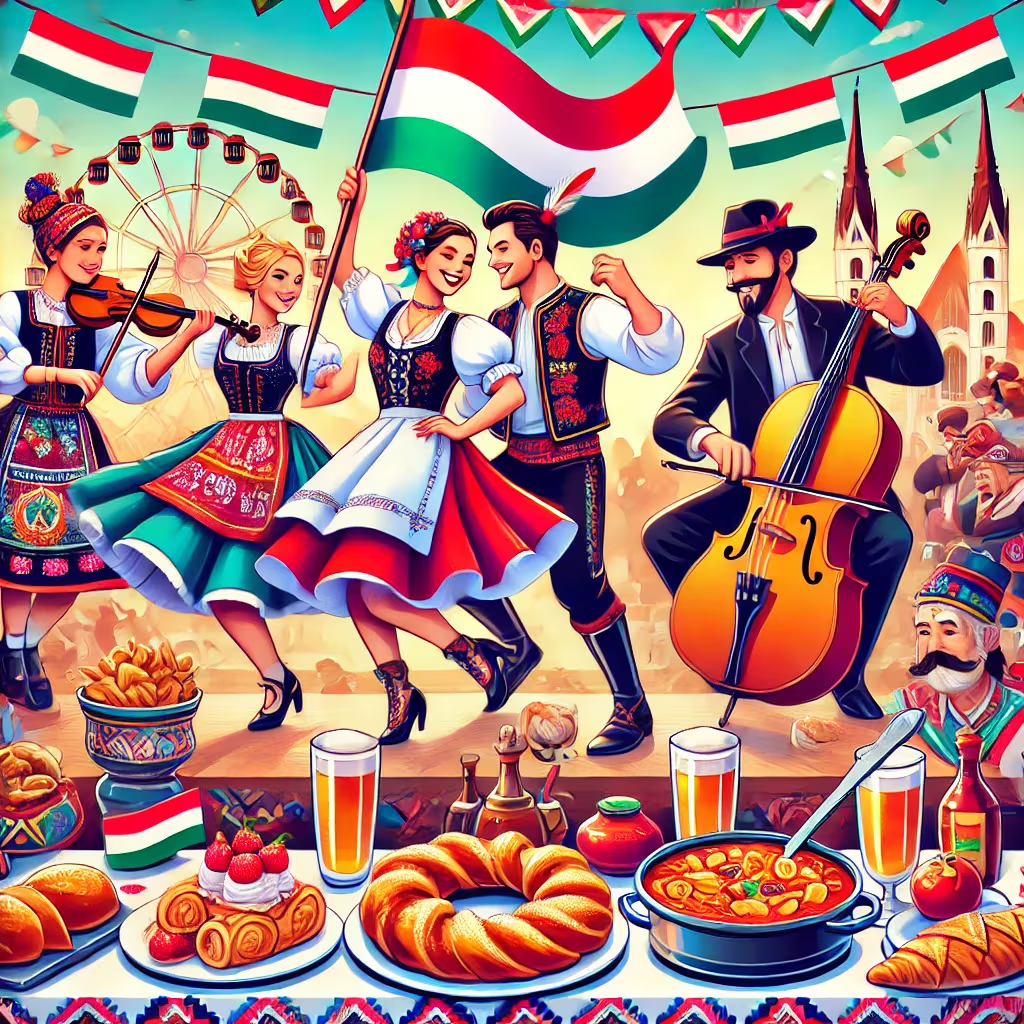
Another essential aspect of Hungarian culture is its traditional dance, characterized by energetic moves and colorful costumes. The Csárdás is perhaps the best-known dance, often accompanied by live violins and cymbalom. At any festival or event, Hungarian dances provide a spectacular display. Read more about traditional Hungarian dances here.
Hungarian cuisine
Hungary’s cuisine is another cornerstone of its culture. Traditional dishes such as goulash, lángos and strudel reflect the country’s history and climate. Hungarian cooking is renowned for its use of paprika, pork, and sweet desserts. If you’d like to explore more, check our article on Hungarian cuisine to discover its unique flavors.
Festivals and celebrations in Hungary
Throughout the year, Hungary hosts numerous festivals that showcase its vibrant culture. Events like the Spring Festival in Budapest or the Harvest Festival in the Tokaj wine region let locals and visitors enjoy music, dance and culinary specialties. If you’re planning a trip during celebratory periods, we recommend reading our article on festivals and celebrations in Hungary.
Hungarian customs and traditions
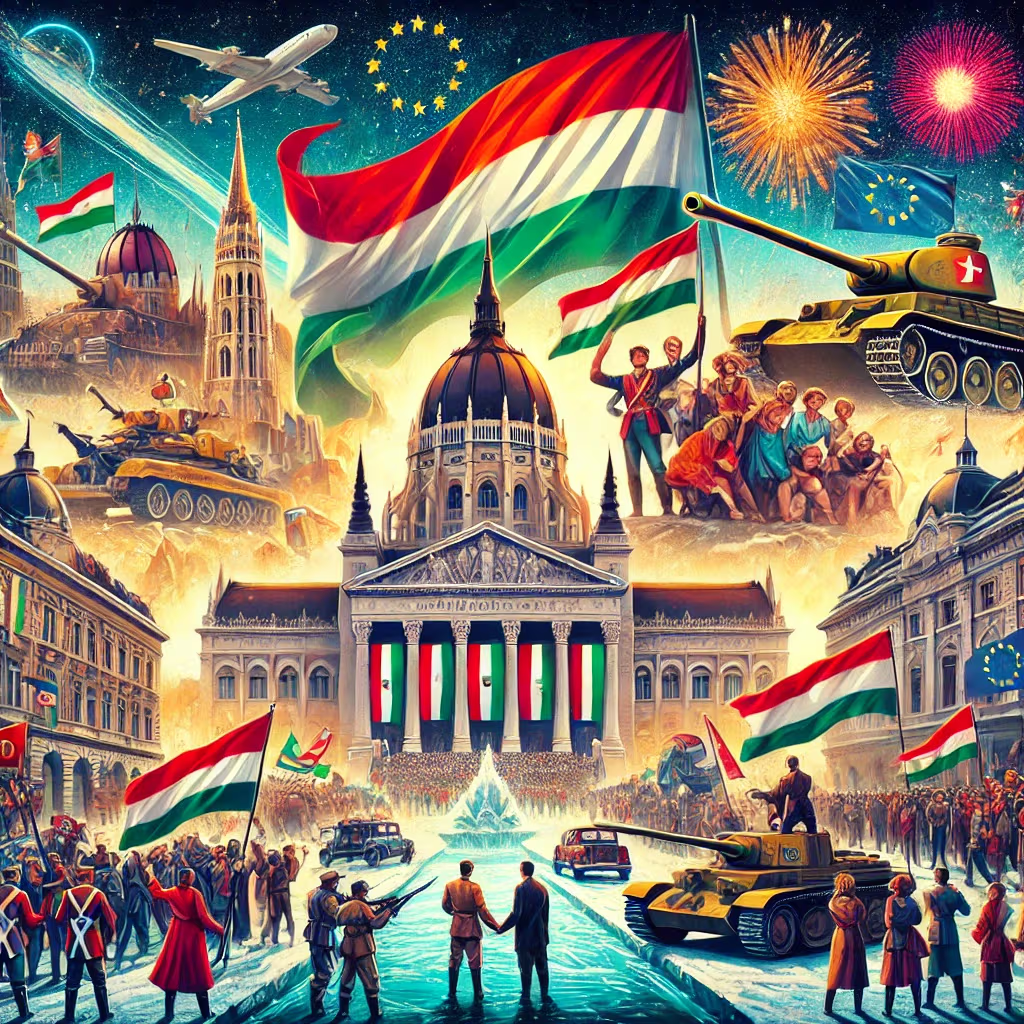
Customs and traditions in Hungary vary by region, but one of the most significant is the National Day on August 20, which celebrates the foundation of the Hungarian state. On this day, parades, fireworks and cultural activities take place. Respect for elders, the importance of family, and religious traditions also play a meaningful role in daily life.
Conclusion
Hungarian culture is vast, vibrant and diverse. From its music and dances to its cuisine and festivals, each element offers a unique window into the country’s history and spirit. No matter when you visit, you’ll always find something fascinating in Hungary that brings you closer to its culture.