A journey through its traditions
The music and folklore of Hungary are a living reflection of the country’s rich history and culture, from ancient times to the present. Hungary boasts one of the most vibrant musical traditions in Europe, with styles ranging from traditional folk to classical music and jazz. If you love music and culture, exploring Hungarian folklore is a must during your visit to Budapest and other regions of the country.
The legacy of Béla Bartók and Zoltán Kodály
Hungary has produced great composers, and two of the most influential are Béla Bartók and Zoltán Kodály. Both devoted much of their lives to collecting and preserving Hungarian folk music. Their research was crucial to the revival of folklore in the 20th century. Bartók is known for integrating folk elements into his classical compositions, giving them a distinctive sound that still resonates in modern music. Don’t miss a visit to the Museum of Fine Arts in Budapest, which highlights some of his works.
Traditional dance
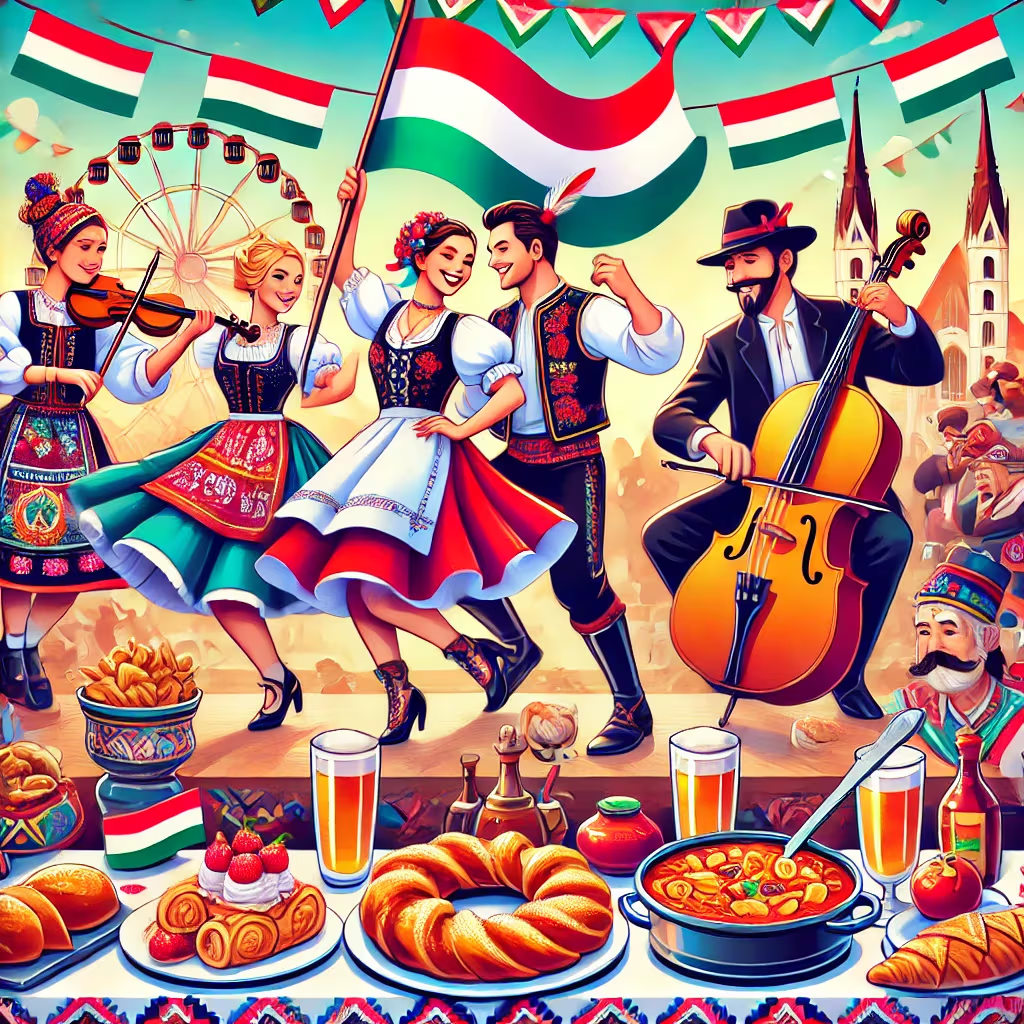
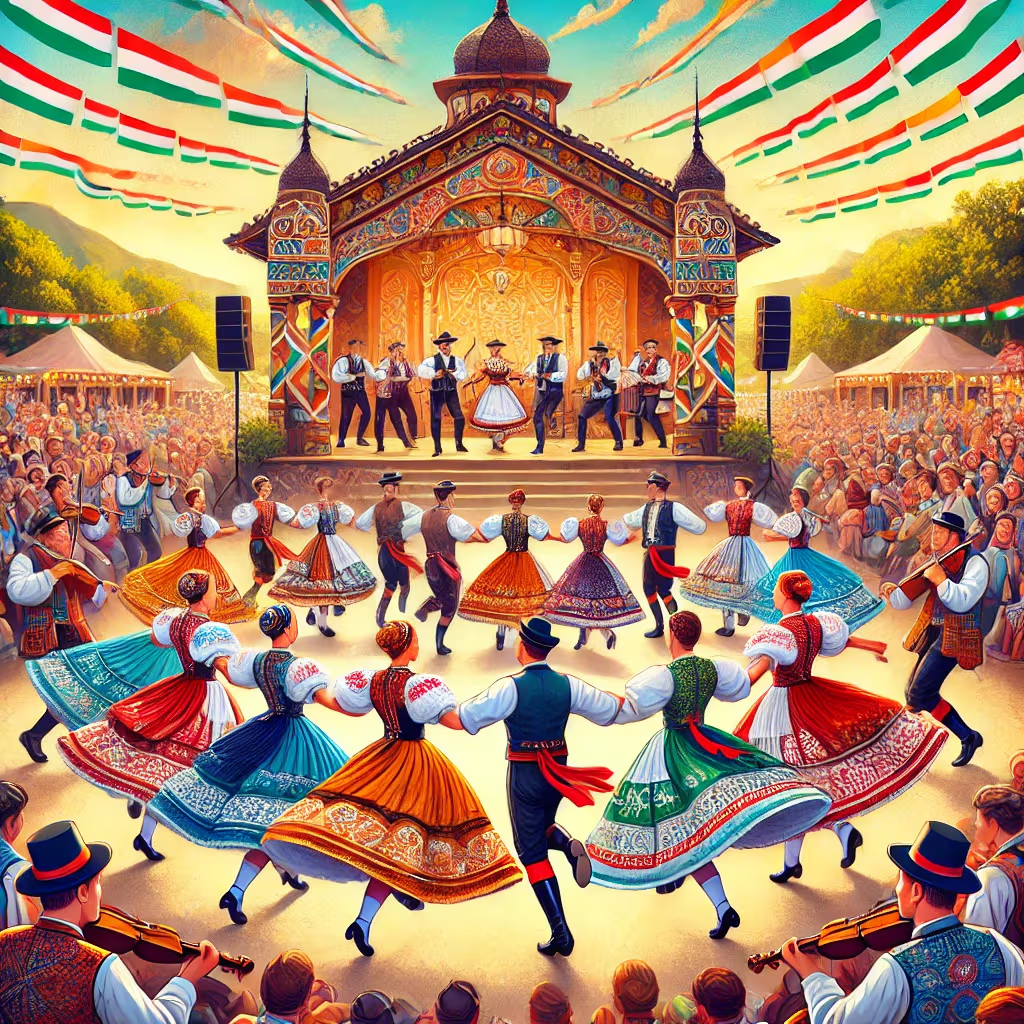
Hungarian folk dances, such as the csárdás, remain alive today and are an integral part of national celebrations. The csárdás is a traditional dance noted for its intensity and accelerating tempo. Couples start slowly and, as the music progresses, the speed increases. You can see this dance at cultural events, festivals and some of the country’s major celebrations, like the national holidays.
Music festivals in Budapest
If you visit Hungary in summer, you’re likely to enjoy some of Europe’s best-known music festivals. The Sziget Festival, for example, is famous for bringing together international artists across multiple genres. But festivals are not limited to modern music; there are events dedicated to folklore as well, such as the Budapest Folk Dance Festival.
Folklore in everyday life
Folklore is not only celebrated at festivals or special events. In many Hungarian villages, traditional music remains part of daily life. Hungarian folk songs are present at weddings, celebrations and local fairs. In addition, traditional holidays like Easter and Christmas also include musical performances and dances, as described in our traditional celebrations.
Traditional Hungarian instruments
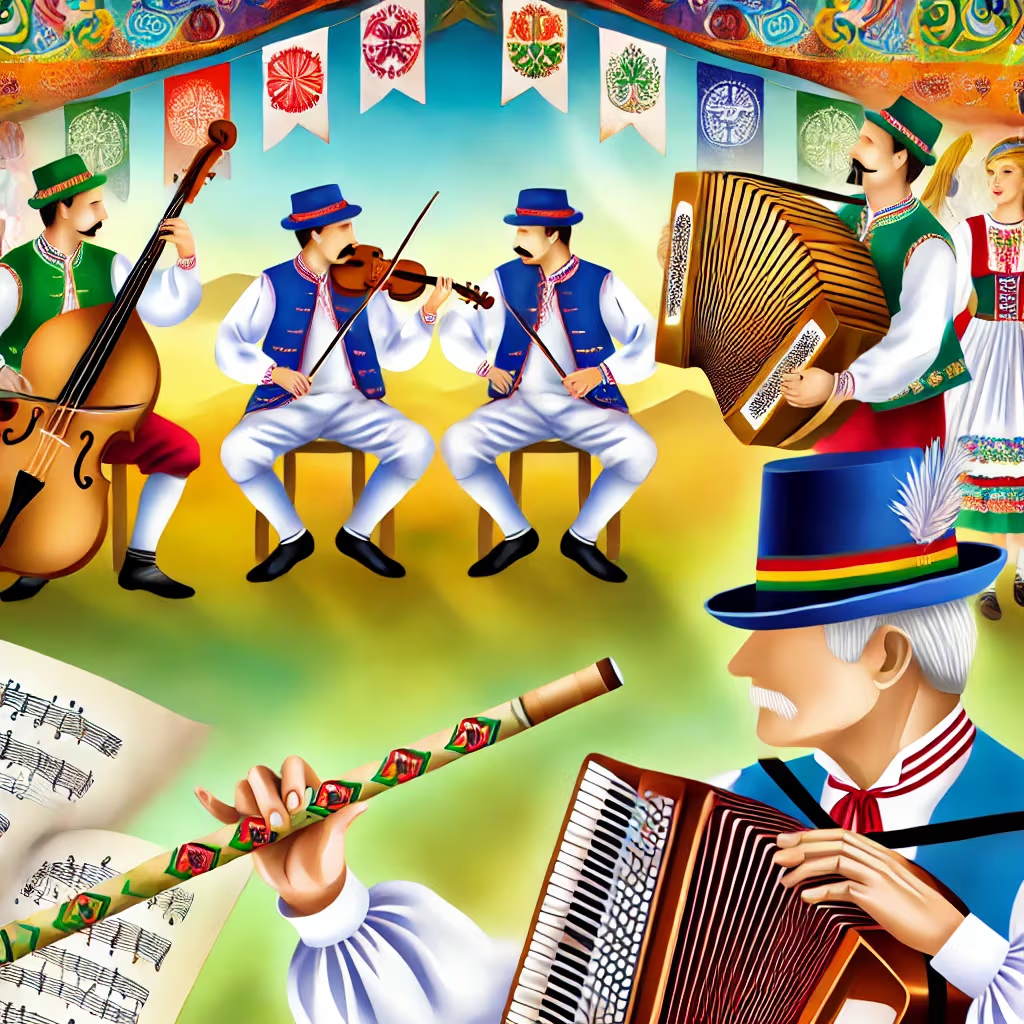
Hungarian folk music is characterized by the use of traditional instruments such as the cimbalom, a kind of hammered-string instrument, and the , an instrument used especially in rural music. If you have the chance, visit the museums in Budapest to learn more about these unique instruments.
In short, Hungarian folklore is a cultural gem you should explore when visiting Budapest or any other region of Hungary. From dance to festivals, every corner of the country offers a connection to its past through music. If you want to learn more about local customs, we recommend consulting our guide to Hungarian culture and exploring other fascinating aspects of life in Hungary.