A Symbol of Art and Culture in Budapest
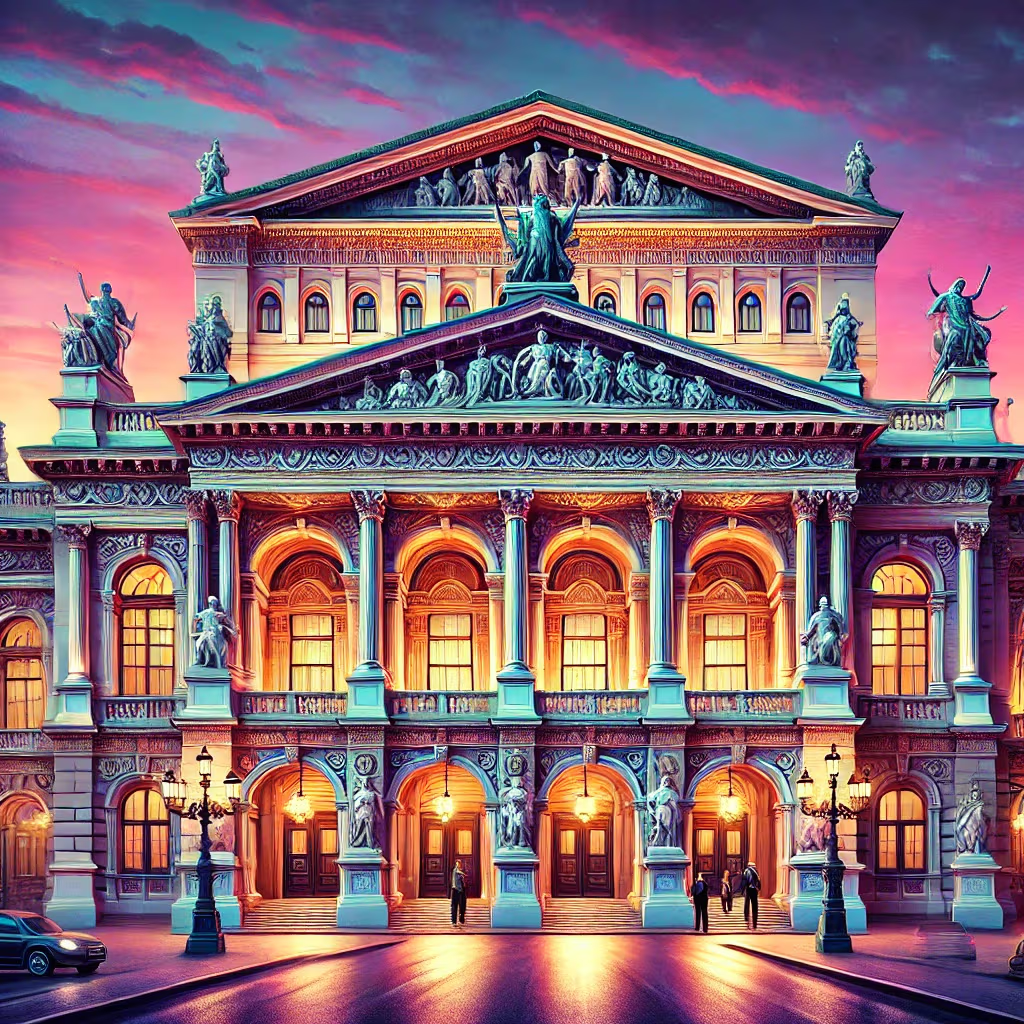
The Hungarian State Opera, also known as the State Opera House of Hungary, is one of Budapest’s most important architectural and cultural treasures. Opened in 1884, this imposing building has hosted countless productions and events that helped establish Hungary as a landmark on the international operatic stage. With a distinctive blend of Neo-Renaissance architecture and Baroque touches, the Hungarian State Opera is a must-see for any lover of culture and the arts.
History of the Hungarian State Opera
The history of the Hungarian State Opera begins in the 19th century, during the height of the Austro-Hungarian Empire. It was in this period that architect Miklós Ybl, one of Hungary’s most prominent architects, was commissioned to design an opera house capable of rivaling Europe’s finest. The result is an architectural gem renowned not only for its elegance and beauty but also for its outstanding acoustics.
Since its inauguration, the Opera has welcomed some of the most important names in music and the arts. It has also withstood the upheavals of history, including the devastations of World War II and the communist era, remaining a symbol of Hungarian cultural resilience and tradition.
Theatre Architecture and Design
The Hungarian State Opera is an exquisite example of Neo-Renaissance architecture. The building’s façade is adorned with statues of legendary composers and musicians such as Beethoven, Mozart and Liszt, underlining the central role of music in Hungary’s cultural life. Inside, visitors are struck by the opulent marble vestibule, majestic staircases and decorative ceiling frescoes that depict scenes from Greek mythology.
The theatre seats approximately 1,200 people, and its stage was designed to provide exceptional acoustics. The Opera is renowned not only for its operatic productions but also for an outstanding programme of live music events, ballets and symphonic concerts.
An Unmissable Experience for Culture Lovers
Visiting the Hungarian State Opera is a unique experience. It not only offers top-quality performances but also lets visitors immerse themselves in Hungary’s rich cultural history. If you’re lucky enough to attend a performance, be sure to admire Andrássy Avenue, one of Budapest’s most elegant streets, which is home to the Opera.
- Interior tours: Guided tours allow visitors to explore the theatre and learn about its history in depth.
- Opera season: The opera season in Budapest typically runs from September to June, offering a diverse programme to suit many tastes.
Location and Access to the Opera
The Hungarian State Opera is located in the heart of Budapest on Andrássy Avenue. Its central location makes it easy to reach via the city’s metro, as it is just steps from the Opera station. From there it’s easy to explore other Budapest attractions such as Buda Castle and the Hungarian Parliament.
Tips for Visiting the Hungarian State Opera
- Buy tickets in advance: The Opera is a popular destination for visitors, so it’s advisable to purchase tickets ahead of time.
- Dress code: While not mandatory, smart attire is recommended, especially for evening performances.
- Guided tours: English-language guided tours are available daily, making it easy to understand the venue’s history and architecture.
Discover More of Budapest’s Culture
Budapest offers a wealth of cultural activities for visitors. Besides the Opera, you can explore the city’s Jewish Quarter and visit the Museum of Fine Arts for a fuller cultural experience. If you love music, the Palace of Music is another must-see.
Ultimately, the Hungarian State Opera is an essential stop on any visit to Budapest. It not only offers world-class entertainment but also allows you to dive into Hungary’s rich history and culture, making the country an unforgettable destination.