Dohány Street Synagogue
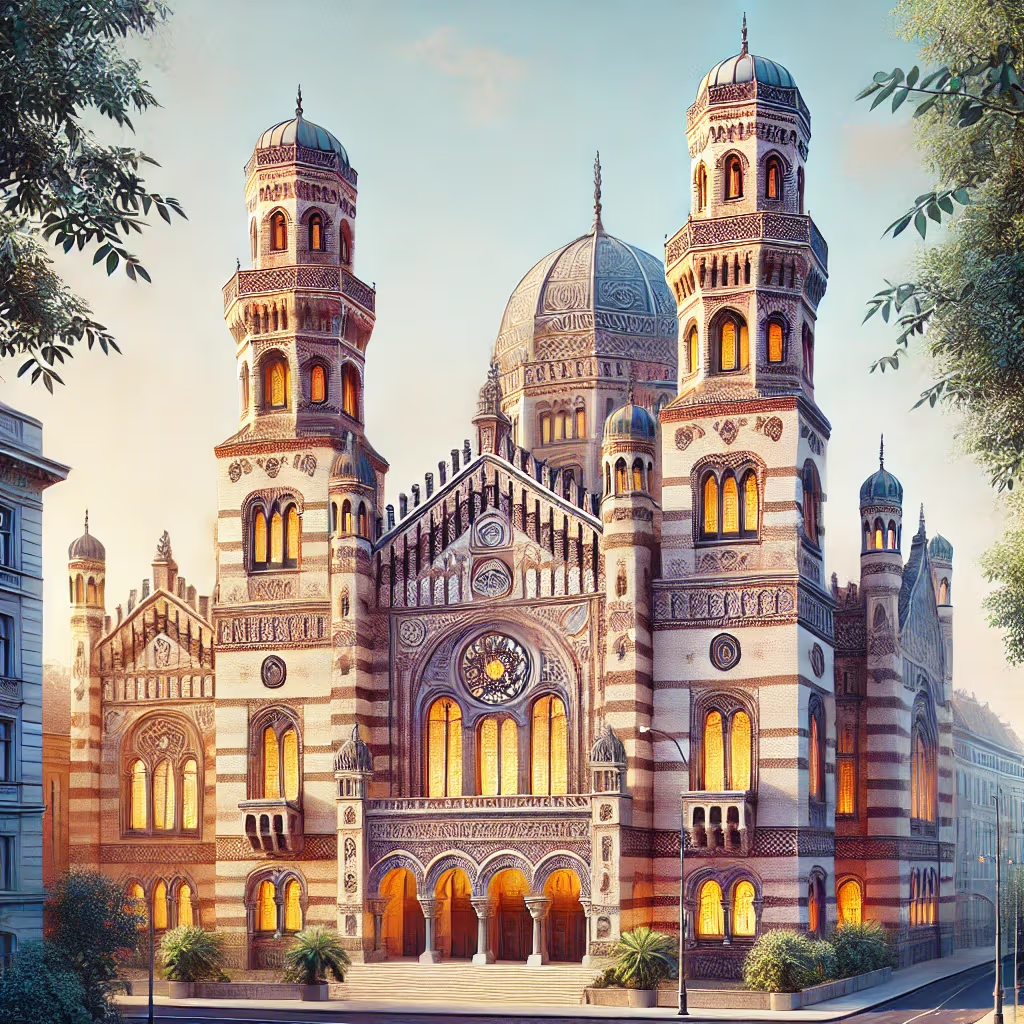
The Dohány Street Synagogue, also known as the Great Synagogue of Budapest, is the principal symbol of Hungary’s Jewish community and the largest Jewish place of worship in Europe. Its majestic Moorish-style architecture draws thousands of tourists and locals every year who want to learn more about the history and Jewish culture in Budapest.
History of the Synagogue
The synagogue was built between 1854 and 1859 and was designed by the Austrian architect Ludwig Förster, who drew inspiration from the mosques of the Alhambra and Moorish designs. During World War II the synagogue became part of Budapest’s ghetto, witnessing one of the darkest chapters in the city’s history. Today, in addition to serving as a place of worship, it functions as a memorial to the victims of the Holocaust.
Architecture and Design
The Great Synagogue’s design blends elements of Byzantine art and Islamic art, creating a unique structure in Europe. Its two large twin towers, each reaching 43 metres in height, are topped with wrought-iron Stars of David. The interior is decorated with marble and gilt and can seat 3,000 people, making it one of the most impressive religious buildings in Budapest.
The Jewish Museum of Budapest
Attached to the synagogue is the Jewish Museum of Budapest, which houses an extensive collection of Jewish artifacts, historical documents and exhibitions related to Jewish life in Hungary. The museum, located in the former home of Theodor Herzl, founder of modern Zionism, provides a comprehensive view of the rich history of Budapest’s Jewish community and is an excellent complement to a visit to the synagogue.
Visiting the Raoul Wallenberg Memorial Garden
Behind the Great Synagogue is the Raoul Wallenberg Memorial Garden, a place of tribute to the victims of the Holocaust in Hungary. The garden contains the monument known as the Tree of Life, a metal weeping-willow sculpture whose leaves are engraved with the names of thousands of Hungarian Jews murdered during the war. This emotional and moving experience is essential for those who wish to deepen their understanding of the influence of the Jewish community in Budapest.
Visitor Tips
The Great Synagogue is one of Budapest’s most popular attractions, so it’s advisable to visit early to avoid crowds. Respectful dress is required, and men must wear a kippah, which are provided at the entrance. The admission fee includes a guided tour, allowing visitors to better understand the history and symbolism of each part of the synagogue.
Other Jewish Monuments in Budapest
In addition to the Great Synagogue, Budapest is home to several monuments and sites related to Jewish history, such as the Rumbach Street Synagogue and the Jewish Cemetery. Exploring these sites offers a fuller picture of the city’s Jewish presence.
A Living Legacy
The Dohány Street Synagogue is more than a religious monument; it is a symbol of the legacy and resilience of the Jewish community in Hungary. Its splendid design and historical significance make it a must-see for anyone interested in the Jewish culture and history of Budapest. Don’t miss this unique opportunity to immerse yourself in one of the most significant chapters of the city’s history.