A country of contrasts
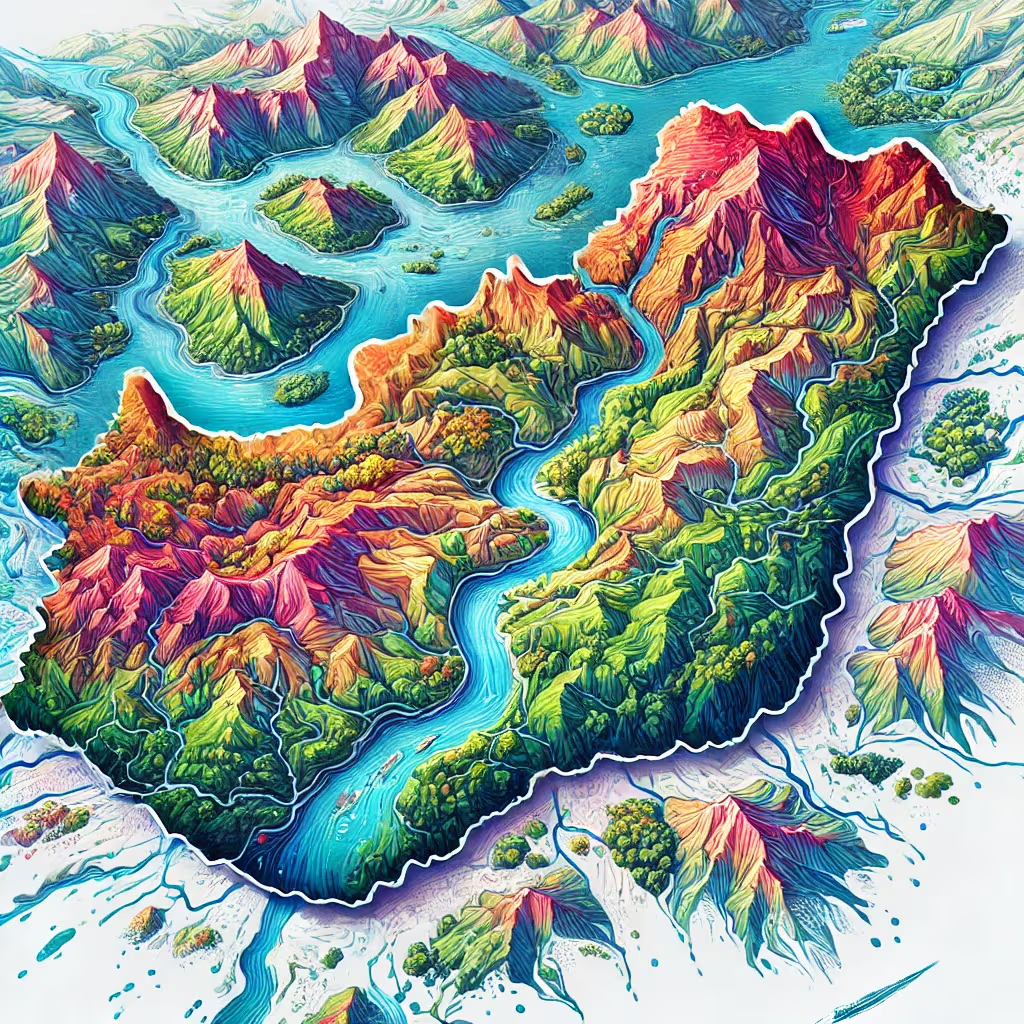
Hungary, in the heart of Europe, stands out for its geographical diversity despite being a relatively small country. Its terrain mixes fertile plains, gentle hills and mountain ranges in the north. This landscape contrast provides an ideal setting for nature lovers and for those who seek history within the land itself.
The Great Hungarian Plain
One of Hungary's most notable geographic features is the Great Hungarian Plain (Alföld), which covers almost half the country. This vast region, located east of the Danube River, is one of Hungary's most important agricultural areas and offers many outdoor activities such as hiking and birdwatching. If you want to learn more about hiking routes, we recommend exploring that article.
The rivers of Hungary
The Danube, the second-longest river in Europe, crosses Hungary from north to south, dividing the country in two. Its passage through Budapest is especially emblematic, offering unforgettable views. Alongside it, other important rivers such as the Tisza also play a significant role in Hungary's geography. Danube cruises are an excellent way to enjoy this natural resource.
Mountains in the north
Hungary is not known as a mountainous country, but in the north lie the Western Carpathian mountains. The country's highest peak, Kékes, in the Mátra range, reaches 1,014 meters. This region is ideal for those who enjoy outdoor activities and mountain scenery. If you are looking for more information about lakes and mountains, our post dedicated to these areas will interest you.
The lakes
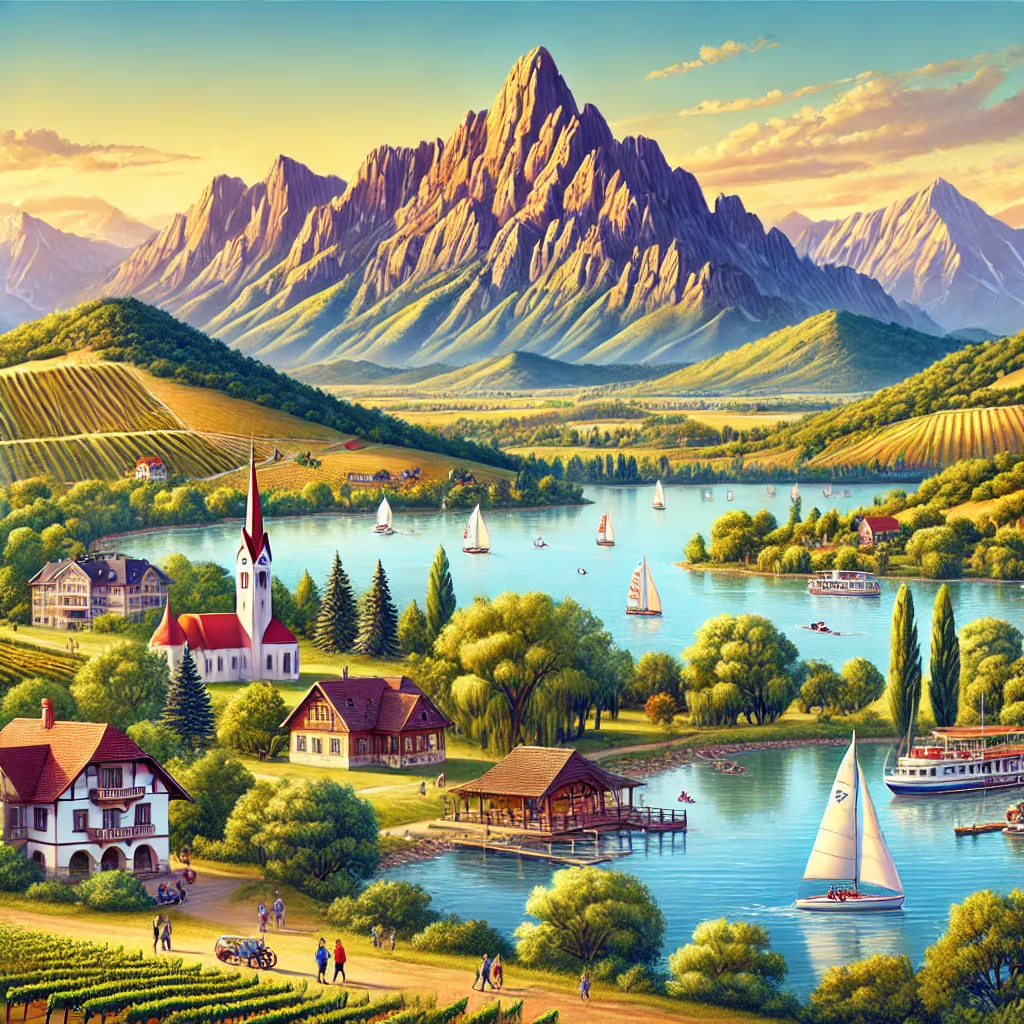
Hungary is home to the largest lake in Central Europe, Lake Balaton, known as the "sea of Hungary." Famous for its thermal waters and beaches, Lake Balaton is a very popular summer destination for both tourists and locals. Be sure to read more about Lake Balaton and all the activities it offers.
Natural landscape and environmental protection
The country has several national parks and protected areas that safeguard Hungary's rich biodiversity. The most famous of these is Hortobágy National Park, part of the UNESCO World Heritage, known for its endless grasslands and wildlife.
Conclusion
Hungary's geography offers a rich variety of landscapes, from its plains to its mountains, and its numerous rivers and lakes. Whether you're looking for outdoor adventures or simply want to enjoy a boat ride on the Danube, Hungary has plenty to offer. Don't forget to consult our complete guide to what to see in Budapest to make the most of your visit.