A Fascinating Chapter of History
The influence of the Ottoman Empire in Hungary extends from architecture to culture and religion, leaving an indelible mark on the country’s history. For more than 150 years, the Ottomans occupied large parts of Hungary, including Budapest, and their legacy is evident in several historical sites across the Hungarian capital. This article explores the key aspects of that period and some places you can visit in Budapest to better understand this fascinating era.
The Origin and Ottoman Expansion into Hungary
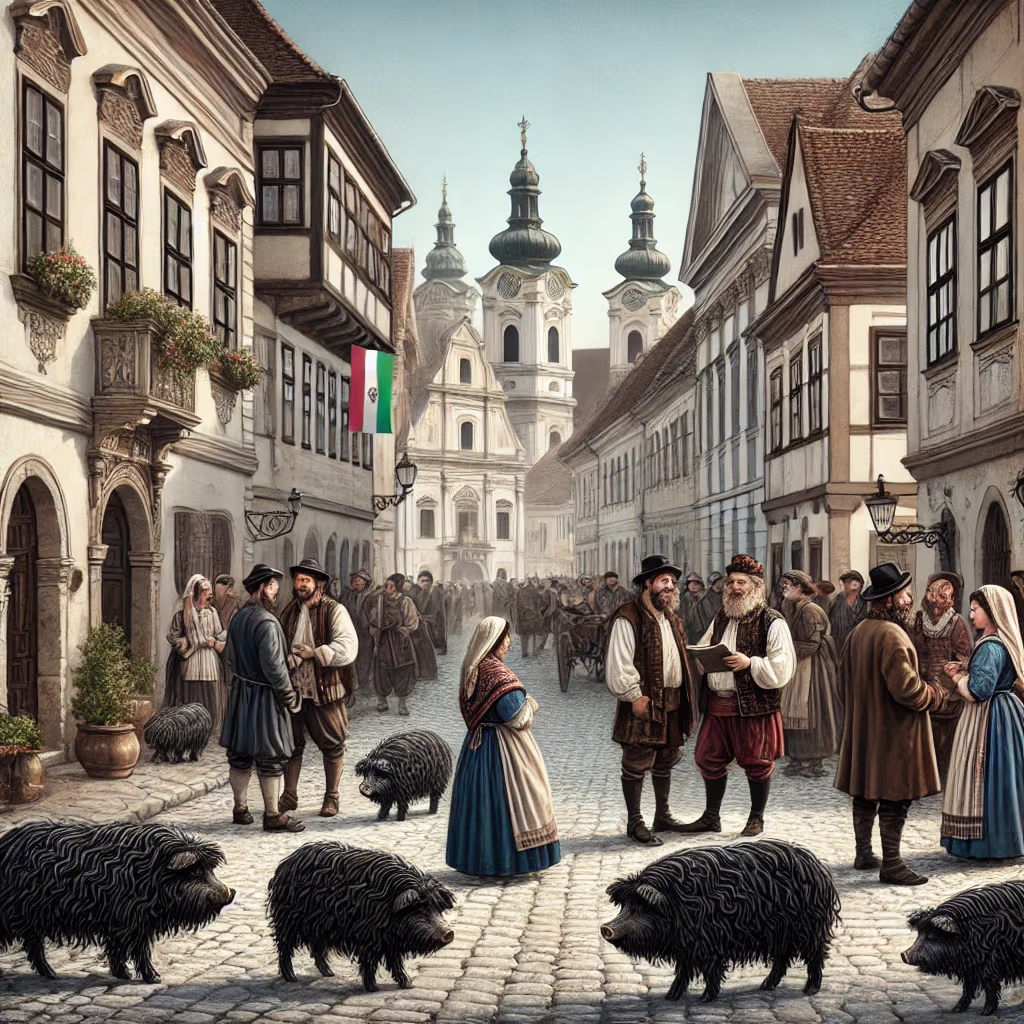
The Ottoman expansion into Hungary began in the 16th century, when Sultan Suleiman the Magnificent led his armies into Central Europe. The Battle of Mohács in 1526 was a turning point, resulting in the death of King Louis II of Hungary and allowing Hungarian territory to become a vassal state of the empire. This battle also opened the way for the Ottomans to capture Budapest, which became one of the empire’s most important cities.
The Ottoman presence in Hungary lasted until the late 17th century, when the Habsburgs managed to reclaim Hungarian territory. Despite their withdrawal, many elements of Ottoman culture and architecture remained in Budapest and other parts of Hungary.
Places in Budapest That Preserve Ottoman Influence
There are several places in Budapest that still retain Ottoman influence, reflecting the history and cultural blend that developed during Ottoman rule. Below are some of the most notable sites you can visit to discover this influence:
- Gül Baba Mausoleum: This mausoleum is an excellent example of Ottoman influence in Budapest. Gül Baba was an Ottoman dervish who came to Hungary with Suleiman’s troops. His mausoleum, located on Buda Hill, is a place of pilgrimage for Muslims and a unique tourist attraction in the city. You can learn more about this site in our article Gül Baba.
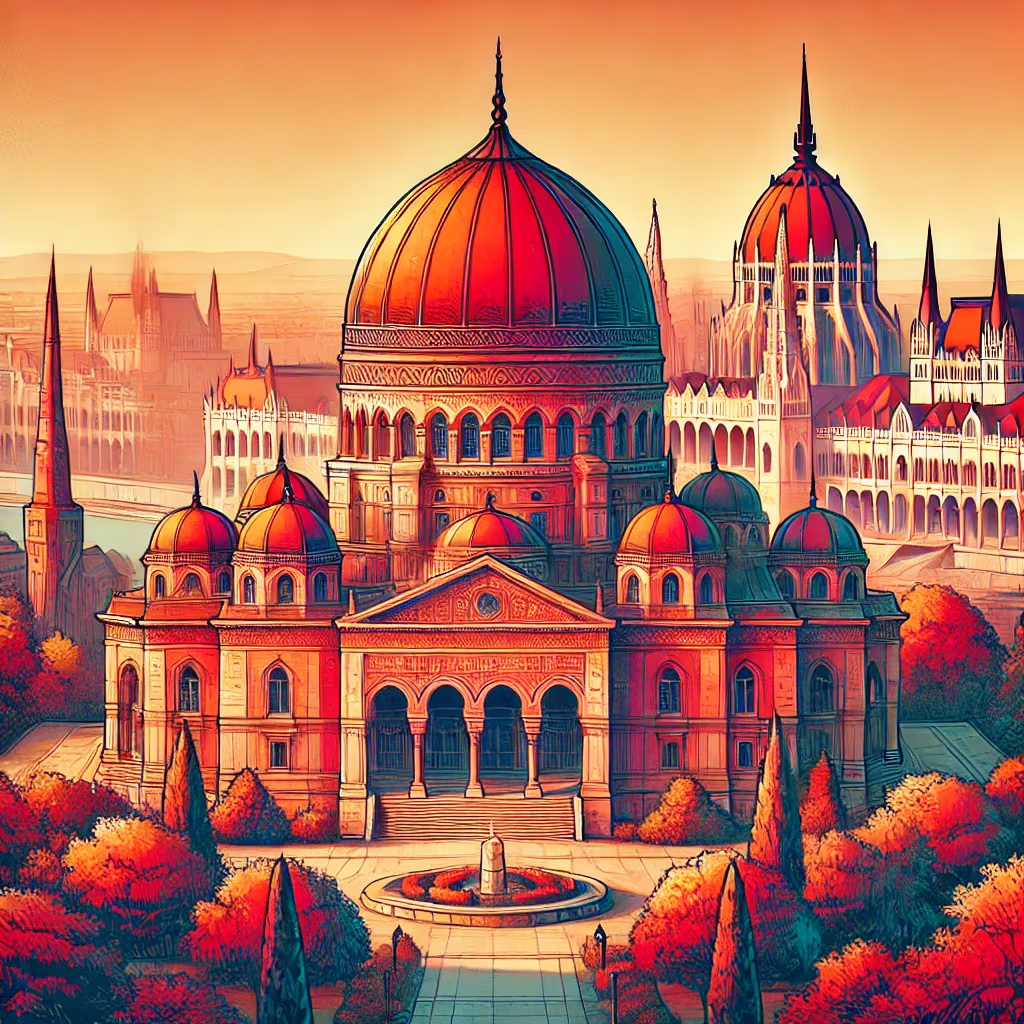
- Rudas Baths: One of the most visible legacies of the Ottoman occupation is the thermal baths. The Rudas Baths are a historic spa dating from the Ottoman era, characterized by domes and stone structures typical of that period. If you’re interested in bath culture, you can also explore the famous Király Baths, another example of Ottoman architecture in Budapest.
- Gellért Baths: Although restored in later periods, Gellért Baths have their origins in the thermal-bath tradition initiated by the Ottomans. This is a must-visit for those seeking a relaxing cultural experience in Budapest.
Ottoman Cultural Heritage in Modern Hungary
Ottoman influence in Hungary is not limited to architecture. Hungarian cuisine also inherited some flavors from that era, integrating spices like cumin and paprika into several traditional dishes. In addition, the popularity of pálinka, a strong Hungarian spirit, recalls the Ottoman taste for distilled alcoholic beverages. You can read more about local cuisine in our guide Pálinka and Hungarian Wines.
Beyond cuisine, Ottoman culture has influenced Hungarian music and celebrations. Today, many festivals include music with Turkish influence and showcase the cultural blend that defines Hungary.
Tips for Exploring Ottoman Influence in Budapest
For those who want to delve deeper into Ottoman heritage, it’s advisable to plan a visit that includes both historical sites and the cultural experience of the thermal baths. You can also take the opportunity to see other historic monuments in Budapest, such as the Hungarian Parliament and St. Stephen’s Basilica, which offer perspective on the city’s cultural mix.
While exploring Budapest, consider including some traditional restaurants that serve dishes inspired by the Ottoman era. You can find options in our article on the best restaurants in Budapest.
Conclusion
The legacy of the Ottoman Empire in Hungary is fascinating and present in many aspects of life in Budapest. From architecture to cuisine, this influence has enriched Hungarian culture, making it unique in Europe. Visiting sites like the Gül Baba Mausoleum and the historic baths not only reveals history but also allows you to experience firsthand an era that profoundly shaped Hungary. If you’re in Budapest, don’t miss the chance to discover these remnants of Ottoman influence in the city.