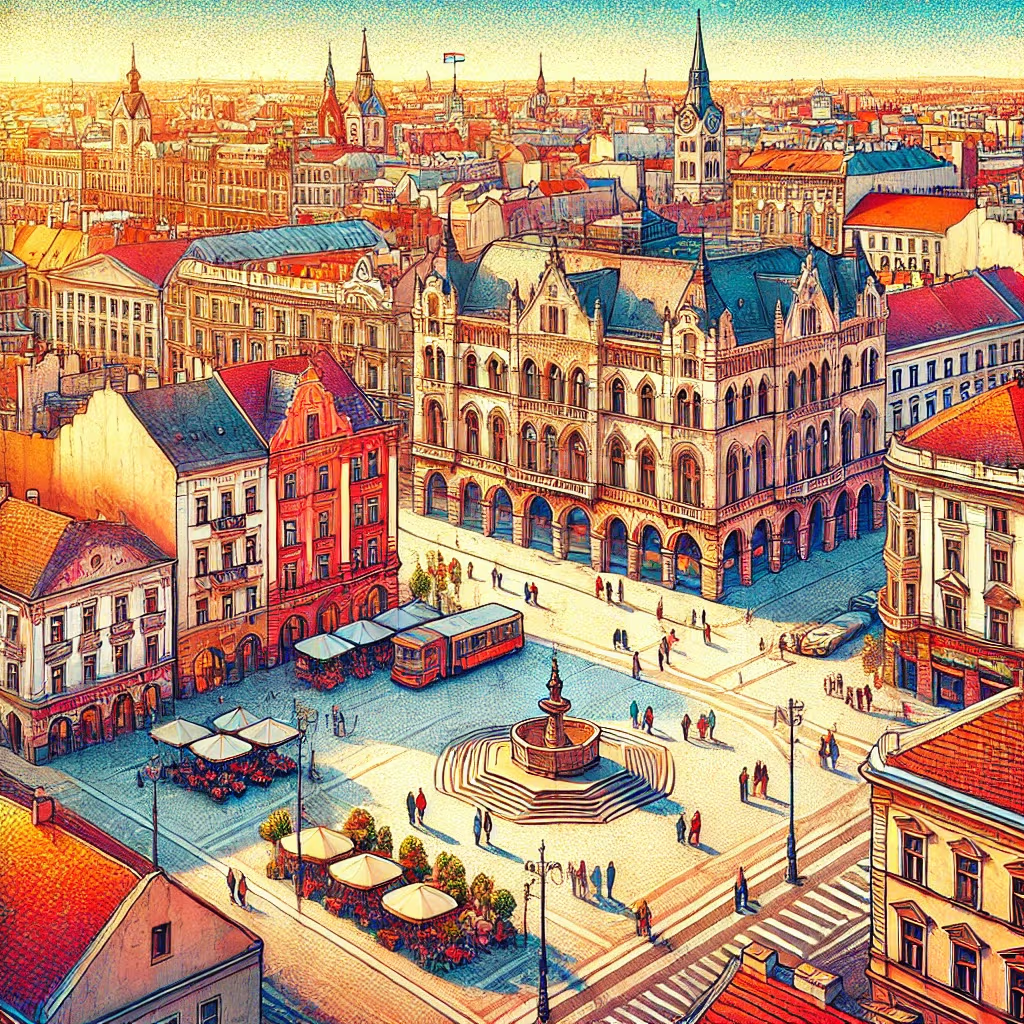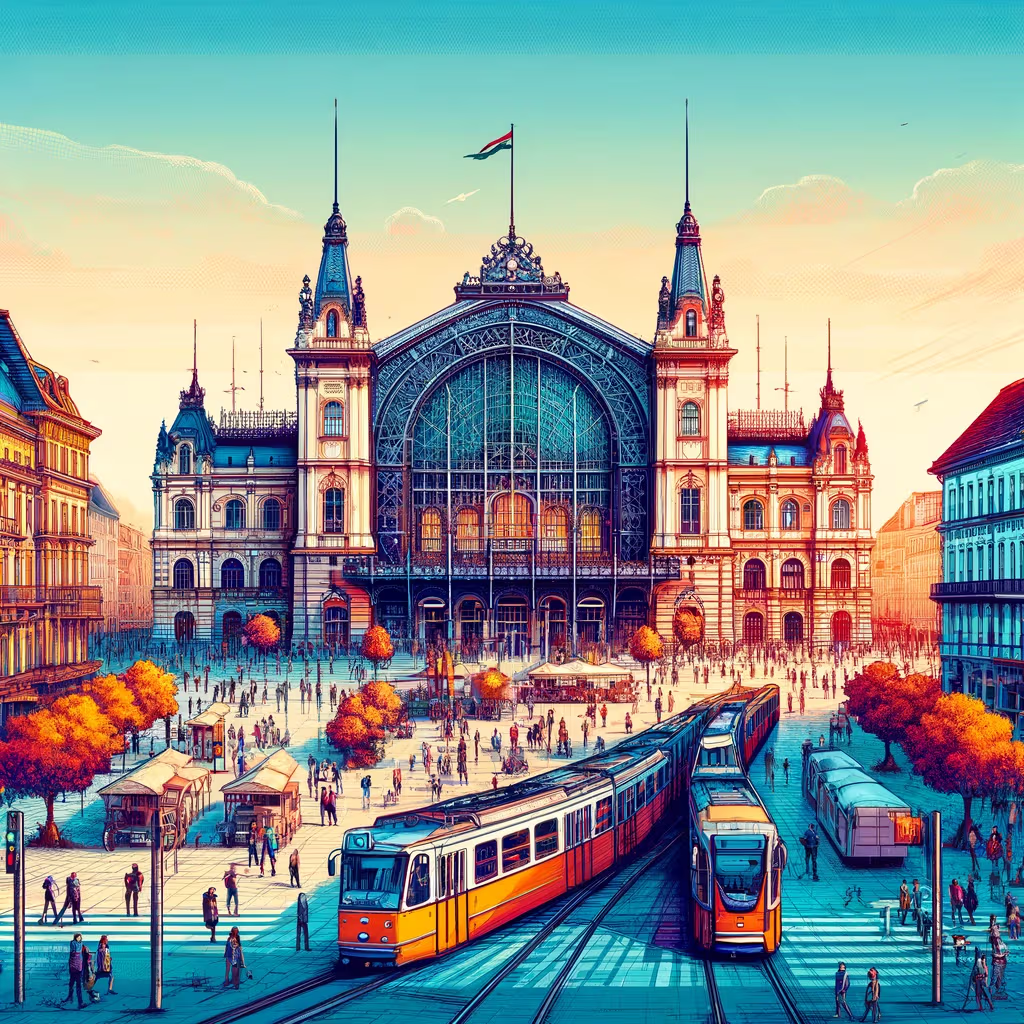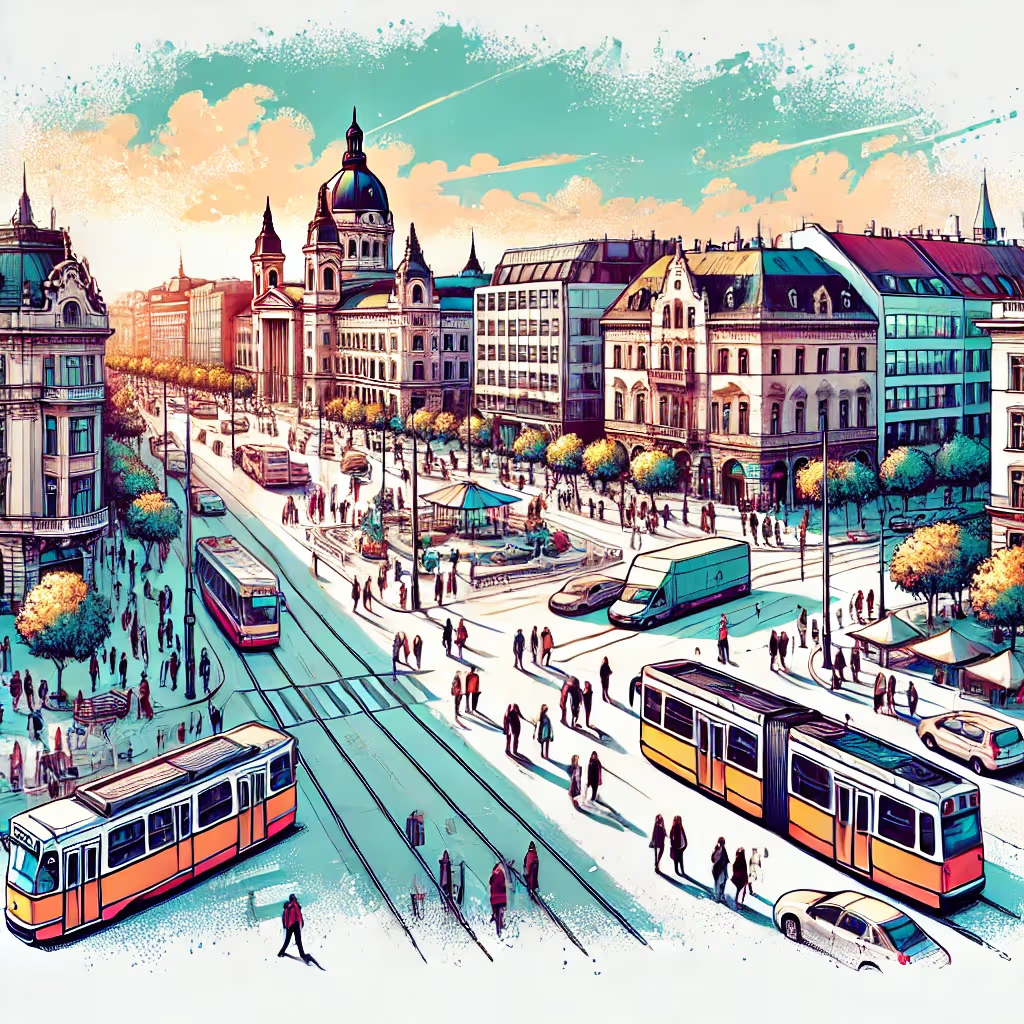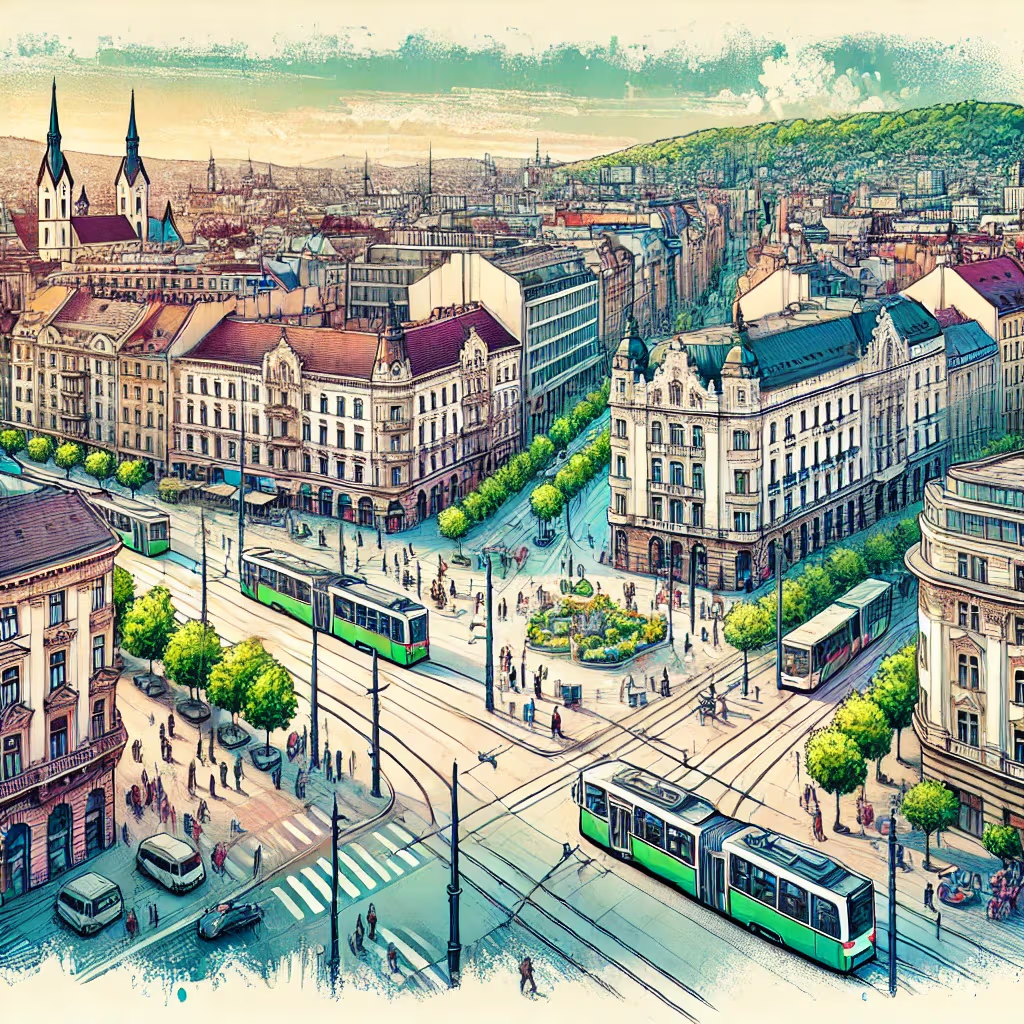
The Calvin Square, locally known as Kálvin tér, is one of the pivotal points of the city of Budapest. This square functions as an important transport hub and an emblematic place due to its rich history and nearby monuments. In this article, we explore the square’s history, its role in locals’ daily life, and what visitors can expect when passing through this busy area.
History of Kálvin tér
Kálvin tér is named after John Calvin, one of the leading Protestant reformers. For centuries this square has been an important city center, linking several key districts of Budapest. Over the years it has undergone several renovations but has consistently remained relevant as both a cultural and transport hub.
Near the square stands the Calvinist Church, an imposing Neo-Gothic building that recalls the area’s religious influence. The square also witnessed significant events throughout the 20th century.
Transport Connections
One of the stand-out features of Kálvin tér is its crucial role in Budapest’s public transport network. The square is a key interchange for the Budapest metro and several tram and bus lines. It’s an essential stop for moving around the city center, quickly connecting to other popular areas such as Deák Ferenc Square and Erzsébet Square.
If you’re planning how to get around the city, Calvin Square is an excellent starting point. From here you can easily reach important attractions such as the Hungarian National Museum, located just a few minutes on foot.
What to See Around Kálvin tér
The strategic location of Kálvin tér allows visitors to explore a wide range of nearby sights. One of the main attractions is Budapest’s Jewish Quarter, where you can find important monuments such as the Great Synagogue and the famous Szimpla Kert, the city’s best-known ruin pub.
For food lovers, the area around the square offers a wide variety of restaurants and cafés. Not far from the square you can also enjoy a meal in one of the best restaurants in Budapest.
Visitor Recommendations
If you plan to visit Calvin Square, we recommend using the public transport connections to explore other iconic areas of the city. The square is close to other major tourist spots such as the Budapest History Museum and the famous Buda Castle.
During your visit be sure to wander the surrounding streets, full of local life and a mix of historical and modern architecture. If you’re interested in religious culture, don’t miss the Calvinist Church, one of the area’s most notable buildings.
Conclusion
Kálvin tér in Budapest is much more than a transport crossroads. Its history, cultural connections and role in locals’ daily life make it a place worth exploring. Thanks to its excellent location, you can quickly reach many other nearby tourist sites.
If you plan to travel around Budapest, don’t hesitate to use public transport from this square and discover everything the city has to offer, from markets to ruin pubs and more.